
Alder Cones for Aquarium Shrimp, Bettas & Soft-Water Fish: Complete Guide
Alder cones are one of the simplest natural tools you can add to your freshwater aquarium to improve water quality, support fish and shrimp health, and create a beautiful, tannin-rich environment. In this guide, you’ll learn what alder cones are, why they’re so popular with shrimp, betta and biotope keepers, and how to use them correctly in your tank.
What Are Alder Cones?
Alder cones are the dried catkins of the black alder tree (Alnus glutinosa). As they break down in water, they slowly release beneficial tannins and humic substances that mimic the natural conditions of streams and forest pools where many aquarium species come from.
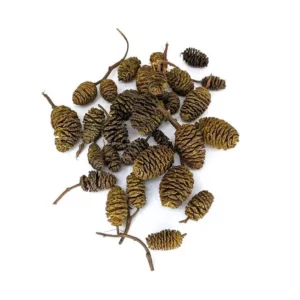
In the wild, leaf litter and seed pods like alder cones are constantly falling into the water. Adding them to your aquarium helps to recreate that natural environment in a safe and controlled way.
Key Benefits of Alder Cones in Freshwater Aquariums
Alder cones are especially valued by shrimp, betta, Apistogramma and soft-water fish keepers because they provide multiple benefits at once:
- Gentle pH-lowering effect: The released tannins can help slightly soften water and nudge pH downwards in tanks that start with moderately hard or neutral water.
- Tannin-rich, biotope-style water: They naturally tint the water a tea-like color, similar to blackwater streams where many tropical fish evolved.
- Supportive environment for shrimp: Biofilm and microorganisms grow on the surface of the cones, creating a constant natural grazing surface for shrimp.
- Comfort for shy fish and fry: The cones themselves act as micro-hiding spots for baby fish and shrimplets, helping reduce stress.
- Promote overall vitality: Humic and tannic acids are widely used by aquarists to support fin condition, coloration and general resilience in soft-water species.
Why Shrimp & Betta Keepers Love Alder Cones
Neocaridina and Caridina shrimp, as well as bettas and dwarf cichlids such as Apistogramma, thrive in slightly acidic, tannin-rich water. Alder cones are a simple way to provide that, while also giving these animals something to interact with.

Shrimp are often seen grazing on alder cones throughout the day, picking at the biofilm and microorganisms that colonize the surface. Bettas and other soft-water fish benefit from the stabilizing effect tannins can have on water chemistry, as well as the reduction in harsh light glare that darker water provides.
How Alder Cones Compare to Indian Almond Leaves
Alder cones and Indian almond leaves (catappa leaves) are frequently used together or interchangeably. Both release tannins and humic substances, but they differ in form and behavior:
- Shape & size: Cones are compact and easy to place precisely, while leaves cover larger areas and provide broad shelter.
- Rate of breakdown: Alder cones tend to break down more slowly than leaves, offering a longer-lasting source of tannins.
- Visual impact: Cones add a natural, “forest floor” aesthetic to aquascapes without covering large parts of the substrate.
Many aquarists use both: leaves for broad cover and cones for long-term tannins and extra micro-habitats.
Choosing the Right Alder Cones for Your Tank
On Saukse, you can find aquarium-ready alder cones in different sizes and pack options. All options are prepared specifically with aquarium use in mind.
Top Picks
- Alder Cones – 1 to 1.5 cm Size: Ideal for nano tanks and shrimp tanks where you want a natural look without large, bulky pieces.
- Alder Cones – ~3 cm Premium Size: Better suited for medium to large aquariums, or where you want each cone to make more of a visual impact.

Recommended Products
All size and pack options are listed under the main product page:
From this page you can choose different sizes and pack configurations according to your aquarium volume and stocking.
How Many Alder Cones to Use
The amount of alder cones you need depends on your tank size, your starting water parameters, and how dark you want the water to become. Always start modestly and adjust over time.
General usage guidelines
- Begin with a small number of cones for the first week in a new tank setup.
- Observe your fish and shrimp behavior and test pH regularly.
- Add more cones gradually if you want stronger tannin staining or a slightly lower pH.
- Remove and replace cones once they are mostly broken down or losing effectiveness.
Because tap water chemistry varies from region to region, there is no single “correct” dose for everyone. Monitoring your tank is more important than hitting a specific number.
How to Prepare Alder Cones Before Adding to the Aquarium
Alder cones from Saukse are intended for aquarium use, but a simple pre-treatment step is always wise:
- Rinse: Quickly rinse the cones under running water to remove surface dust.
- Optional quick boil: Briefly simmer the cones in dechlorinated water if you want to remove any residual debris and reduce the initial burst of tannins.
- Cool: Allow them to cool completely before placing them into your display tank.
Skipping the boiling step will result in a stronger initial color tint, which some blackwater enthusiasts actually prefer.
Best Practices for Using Alder Cones in Aquascapes
Alder cones are not only functional; they also play a role in the look and feel of your aquascape.
- Scatter cones naturally across the substrate to mimic a stream bed.
- Combine with botanicals like leaves, small twigs and seed pods for a true forest-stream biotope.
- Place near hiding spots such as caves, roots or rock piles to give fry and shrimplets extra security.
- Use them as focal details in nano tanks, placing a few cones in the foreground where shrimp constantly graze.
Because alder cones are compact, they are ideal for aquascapes where you want the benefits of botanicals without covering the hardscape you worked hard to build.
Frequently Asked Questions About Alder Cones
Do alder cones stain the water?
Yes, they release tannins that tint the water a light to medium tea color. This is normal and beneficial for many species. If you prefer a lighter tint, use fewer cones and/or perform regular partial water changes.
Can I use alder cones in community tanks?
In most cases, yes. Many common community fish are comfortable in slightly tannin-rich water. Just avoid sudden, dramatic changes to pH by adding too many cones at once.
How long do alder cones last?
They typically release tannins over several weeks, gradually breaking down. Replace them when they become soft, pale or start to fall apart.
Are alder cones safe for snails and plants?
Yes, alder cones are generally safe for most freshwater snails and live plants. In fact, many planted and shrimp tanks use them together to great effect.
Conclusion: A Simple, Natural Upgrade for Soft-Water Aquariums
If you keep shrimp, bettas, Apistogramma or other soft-water fish, alder cones are an easy and natural way to upgrade your aquarium environment. They provide gentle pH influence, tannin-rich water, natural grazing surfaces and micro-habitats—all while enhancing the look of your aquascape.
Explore alder cone options on Saukse and choose the size and pack configuration that best suits your tank:


